Quick answer
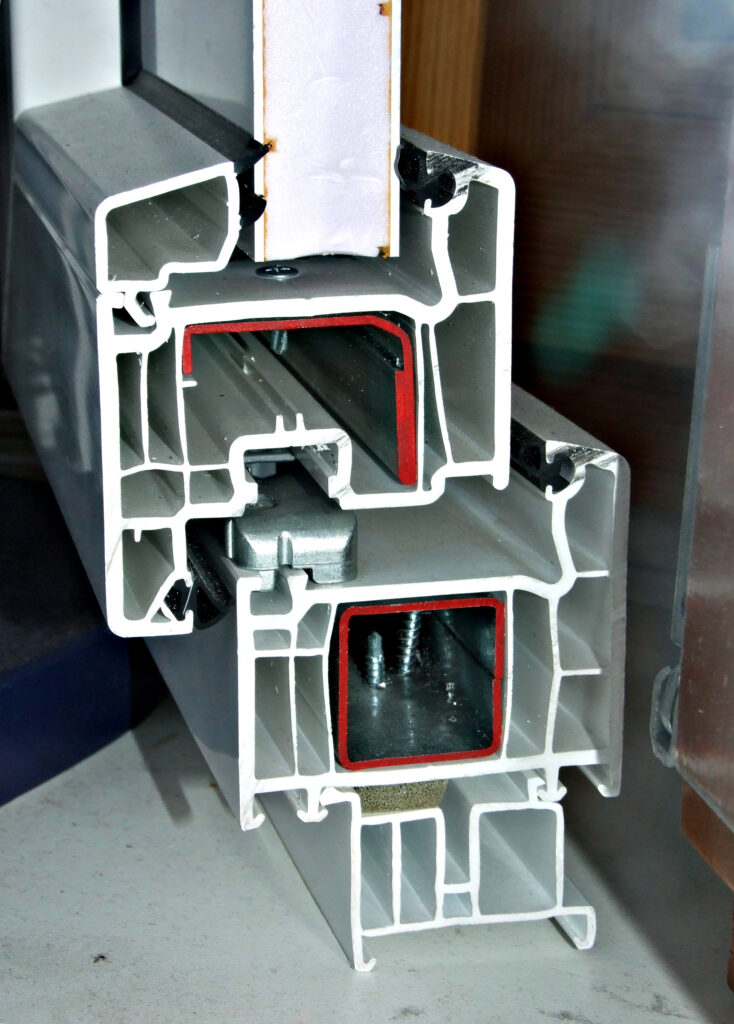
Vinyl and fiberglass are sensible starting points when reducing maintenance is a priority. Wood deserves consideration when a real-wood interior, repainting flexibility or historic detailing matters. Exterior-clad wood offers another option: wood inside with a protective exterior covering. None of these materials establishes whole-window energy performance by itself—compare the exact product’s certified ratings, construction and installation requirements. (energystar.gov)
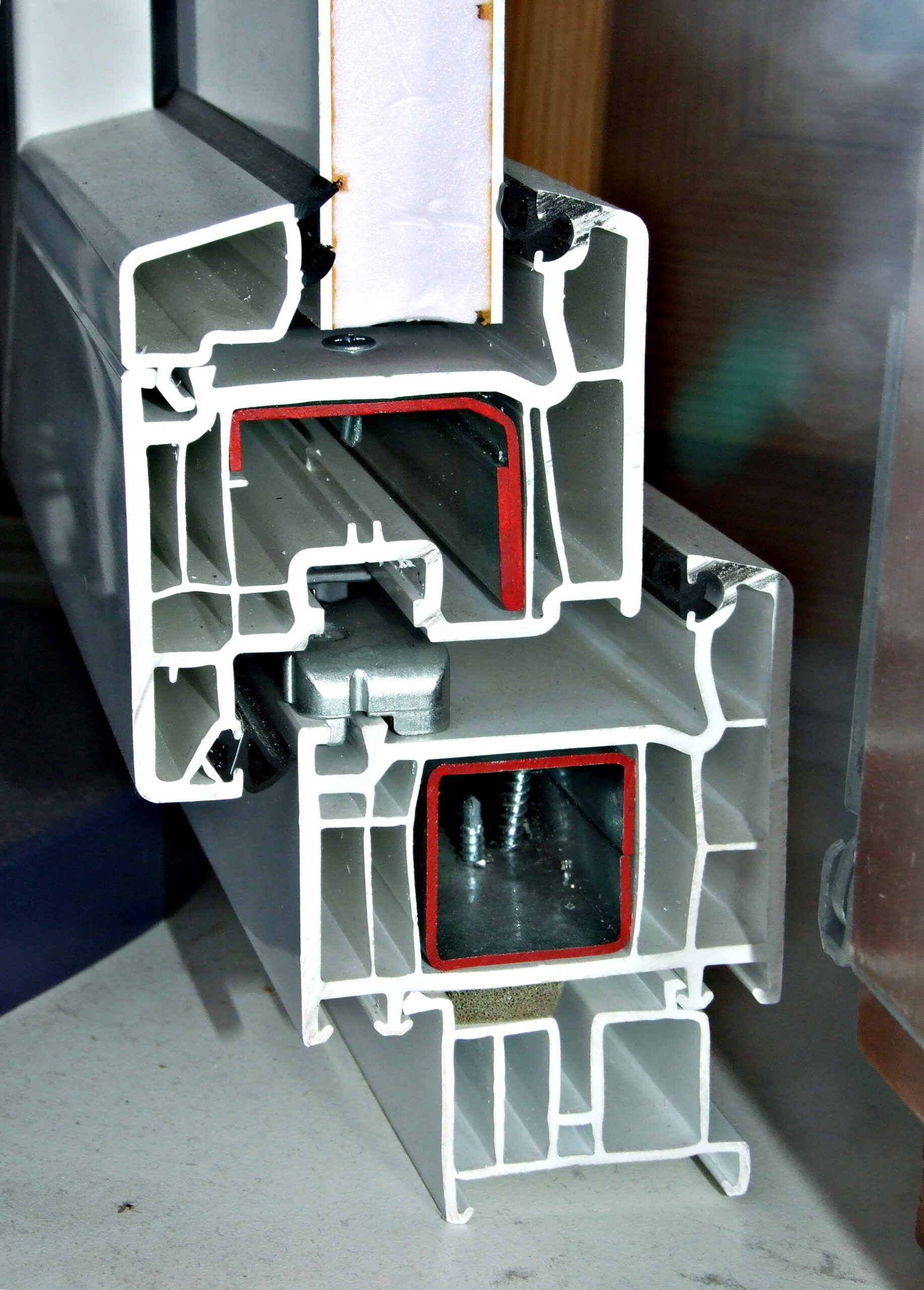
Before choosing: Request a product cross-section, finish sample, dimensioned drawing, certified performance information, written installation scope and applicable warranty.
1. Compare the complete construction—not just the material name
For U.S. homeowners, the useful question is not simply “Which material is best?” It is “Which specific window meets this opening’s requirements with maintenance I can manage?”
Start with this shortlist:
| Material or construction | Why consider it? | What to verify |
|---|---|---|
| Vinyl | Low-maintenance framing with good thermal insulation | Finish type, reinforcement, frame dimensions and permitted cleaning products |
| Fiberglass | Low-maintenance framing with good insulating properties | Interior and exterior construction, finish restrictions and available configurations |
| Wood | Traditional appearance and finish flexibility | Which surfaces are exposed wood and what finishing they require |
| Exterior-clad wood | Wood interior with reduced exterior maintenance | Cladding material, remaining exposed wood and separate finish-care requirements |
ENERGY STAR identifies vinyl and fiberglass as low-maintenance framing options and notes that many wood windows have aluminum or vinyl exterior cladding. It also distinguishes combination frames, which use different materials in different parts of the assembly. (energystar.gov)
Ask the supplier to identify the frame, the sash holding the glass, and any exterior covering or interior veneer separately. Hybrid designs can combine materials within one window; the visible interior surface does not necessarily describe the underlying construction. (efficientwindows.org)

2. Separate routine cleaning from finish maintenance
“Low maintenance” should not become “nothing to inspect.”
Marvin’s maintenance checklist calls for checking weatherstripping and finishes and maintaining operating hardware. Its wood-care guidance also recommends inspecting exterior wood at least annually for failing paint or caulk that could expose the wood. These are manufacturer instructions, not a universal maintenance schedule for every brand. (marvin.com)
For a useful comparison, ask each supplier to explain three things:
- Routine care: What cleaning and inspection does this series require?
- Finish upkeep: Which surfaces may eventually need touch-up or refinishing?
- Access: Can you reach the relevant surfaces safely, or will professional access be necessary?
Follow the instructions for the actual finish—not generic advice for the material. Pella’s installation document, for example, gives different cleaning restrictions for its vinyl frames and aluminum-clad or Impervia frames. It warns that certain solvents can damage vinyl and that drainage openings must remain unobstructed. (media.pella.com)
Wood also requires clarity at purchase. Marvin says its new bare or primed wood products need prompt finishing; primer alone is not the protective final finish. Put responsibility for that work in the contract rather than assuming “primed” means complete. (marvin.com)
3. Check finish flexibility and frame dimensions before ordering
Choose the finish you want now, but ask what happens if you want a different color later.
Wood offers repainting flexibility. Vinyl products may have through-color surfaces, laminates or coatings, so their appearance and care requirements are not interchangeable. A wood-look surface also does not necessarily mean a solid-wood interior. (efficientwindows.org)
Do not assume every factory finish can be repainted. Pella specifically discourages painting its vinyl and exterior cladding; it says defects contributed to by that paint would not be covered under its warranty. That is a product-specific restriction, not proof that every manufacturer has identical terms. (pella.com)
Next, request dimensioned drawings showing:
- Overall unit dimensions.
- Exposed frame and sash widths.
- Visible glass dimensions, sometimes called the daylight opening.
- The central framing where adjacent units join.
- The relationship between the replacement and retained trim.
Manufacturer technical documents distinguish rough-opening, frame and daylight-opening dimensions. These are different measurements; a quote giving only an overall size does not answer how much glass will be visible. (a-us.storyblok.com)
Practical check: Compare drawings for the same opening, operating style and installation approach. Do not accept a claim that one material always has slimmer frames without seeing the proposed products.
4. Compare certified ratings—and use a real configuration example
Energy performance belongs to the complete product. NFRC’s consumer guidance explains that its ratings account for the window’s components, including framing, glass and spacers. (efficientwindows.org)
The main comparisons are:
- U-factor: Lower values indicate less heat transfer.
- Solar heat gain coefficient, or SHGC: Lower values admit less solar heat.
- Visible transmittance, or VT: Higher values transmit more visible light.
Compare whole-product ratings rather than a glass-only claim. Choose the combination for your climate and application, not simply the lowest number in every column. (efficientwindows.org)
Worked example: two configurations within one fiberglass series
NFRC’s directory lists these Marvin Essential Casement configurations:
| NFRC product number | U-factor | SHGC | VT |
|---|---|---|---|
| MAR-N-375-00429-00001 | 0.28 | 0.19 | 0.43 |
| MAR-N-375-00430-00001 | 0.26 | 0.19 | 0.43 |
Both entries identify fiberglass/fiberglass construction with reinforcement, yet their U-factors differ. The directory also lists different gas-fill descriptions. These are different configurations, however—not a controlled test isolating one component. (search.nfrc.org)
Here is how to act on that comparison:
- Ask which exact configuration the quote includes.
- Match its product number and ratings to the directory.
- Confirm its suitability for your location.
- Request the price difference before deciding whether the alternative is worthwhile.
The example demonstrates why “fiberglass” alone cannot answer the efficiency question. It does not establish energy-bill savings or a universal purchasing winner.
5. Apply the comparison to your household and opening
A painted historic interior
First assess whether the existing windows can reasonably be repaired. National Park Service guidance for historic rehabilitation favors repair where possible. When replacement is necessary, it considers dimensions, profiles, finishes and visual compatibility—not material name alone. That guidance is not automatically a legal requirement for every older house. (nps.gov)
For your shortlist, compare a paintable wood interior with any proposed alternative against the existing sash profiles, trim and divided-light pattern. If the property has historic protections, confirm the applicable approval process before ordering.
A household prioritizing low upkeep
Begin by comparing vinyl and fiberglass models, then evaluate exterior-clad wood if a real-wood interior remains important. This follows the maintenance distinctions identified by ENERGY STAR rather than a claim that one category never needs attention. (energystar.gov)
Ask for a demonstration: opening, locking, screen removal and cleaning access. Have the supplier identify every surface that still needs finishing or periodic care.
A large window opening
Require product-specific evidence before accepting “stronger material” as the answer. Marvin’s technical specifications include size-dependent configurations, performance-grade information and application limitations, illustrating why series and dimensions matter. (a-us.storyblok.com)
Request written confirmation of the proposed size, glass, reinforcement, joining details and applicable structural performance. Have qualified professionals assess any change to the opening itself.
6. Compare installed-cost drivers without inventing a national price
For a U.S. project, request quotes in U.S. dollars, tied to your location and a written scope. There is no defensible material-only price for your home without those details.
Use this comparison worksheet rather than assuming a fixed vinyl-to-fiberglass-to-wood price ladder:
| Quote category | What to request |
|---|---|
| Product | Manufacturer, series, construction and operating style |
| Size and configuration | Dimensions, fixed or operable sections, and joined assemblies |
| Glass | Exact package and certified ratings |
| Appearance | Interior/exterior finishes, grilles, hardware and trim |
| Installation | Insert or full-frame scope; what remains and what is removed |
| Completion | Finishing, disposal, access equipment and cleanup |
| Uncertain conditions | How concealed damage will be documented, priced and approved |
An insert replacement retains the existing window frame, while full-frame replacement removes it. Those are different scopes, so obtain that distinction in writing before attributing a price difference to frame material. The retained frame also needs to be suitable for an insert installation.
Practical comparison: Ask each bidder to price the same opening schedule and installation scope. If one proposal includes finished interior trim and another leaves painting to you, request a revision before comparing totals.
For older U.S. homes, address lead-safe work early. EPA identifies window replacement as an activity covered by its Renovation, Repair and Painting program when the rule applies; paid work disturbing paint in pre-1978 housing generally requires certified firms and lead-safe practices. Check the applicable EPA or authorized state program.
7. Read the warranty as separate promises
Do not compare warranties using only the word “lifetime.”
For example, Pella’s published vinyl warranty separates non-glass components, glass, labor and ownership-transfer provisions. Its nontransferable limited-lifetime coverage for qualifying owner-occupied homes is not the same promise as unlimited labor coverage. (media.pella.com)
Ask for the document applicable to the quoted product and purchase, then check:
- Components: Frame, sash, insulated glass, hardware, screens and finishes.
- Remedy: Repair, replacement parts or refund.
- Labor: Removal and reinstallation coverage, including time limits.
- Eligibility: Original purchaser, occupancy and transfer conditions.
- Exclusions: Maintenance, installation, modifications and environmental conditions.
- Claims: Required records and who handles service.
Also request the installer’s workmanship warranty separately. Ask who handles a leak investigation and how responsibility will be determined.
Save the signed specification, invoice, warranty and product identifiers together. Before purchase, ask whether a future claim could leave you responsible for access, finishing or other associated work.
8. Avoid these mistakes before signing
Use this final decision check:
- Choosing by material reputation alone: Require the exact construction and certified configuration.
- Assuming low maintenance means no maintenance: Read the product’s care instructions.
- Comparing different window styles: Hold the operating configuration constant where possible.
- Ignoring visible glass dimensions: Review dimensioned drawings.
- Planning to repaint without approval: Obtain written finish guidance.
- Comparing unequal installation scopes: Identify retained frames, finishing and concealed-damage procedures.
- Treating certification as a suitability guarantee: Verify climate, dimensions and application requirements.
- Accepting a warranty slogan: Read component, labor and transfer terms.
These checks reflect the central distinction in NFRC guidance: complete-window performance cannot reliably be inferred from the framing material or appearance alone. (efficientwindows.org)
Bottom line: Shortlist by the maintenance and appearance you want. Eliminate products that cannot meet the opening’s requirements. Then compare the remaining windows using exact ratings, drawings, installation scopes and written terms—not a material label.